Lucidchart Error Unauthorized Check Your Credentials and Their Permissions Then Try Again
What is Single Sign-On (SSO)?
Single Sign-On (SSO) is an authentication and authorization process that allows a user to access multiple enterprise applications with a single set of login credentials (username and password). Simply stating SSO combines several application login screens into one, where you submit credentials once and get access to all applications without individually logging into each application. With SSO end-users time and efforts get minimized as they don't need to constantly sign in and out separately into a variety of web, on-premises, and cloud apps. Single Sign-On (SSO) is an important aspect of Identity and Access management (IAM) or access control services. SSO solution implemented perfectly within an enterprise makes overall password management easier, improving productivity and security reducing the risk of lost, weak, or forgotten passwords.
Simple, Unified User access
A Single Portal for All Apps
With the Single Sign-On (SSO) solution, once you enter login credentials, you will land up to one single dashboard to access all configured apps within the cloud or on-premise – via desktops and mobiles. Single Sign-On lets users customize their self-service dashboard to hunt out their most-used apps quickly and stay productive while on the go.
Customized Registration & Login Page
Customized SSO Login Page allows users to easily register, login and edit their self-service portal according to their need and requirements.
Multiple Language Support
Wherever your user resides - Germany, Spain, France or China miniOrange Single Sign-On portal has Multi-language support, which allows users to manage their portal language accordingly for improved user experience.
Easy Integration with advanced Security
Identity Store Integration
miniOrange SSO solution has a provision where you can connect to any of the Identity Stores like Active Directory (AD), LDAP, HR Systems, Database and any Identity Providers.
Adaptive security
miniOrange's Adaptive solution tracks and adapts to user behavior and accordingly implements security policies. With this any suspicious activity easily gets tracked, ensuring strong user security.
Zero Trust
miniOrange's "Never Trust, Always verify" offers you to keep your data safe and secure with Zero Trust. This implementation ensures users have the right access to the right resources based on their roles protecting from security threats such as malware, credential theft, phishing, remote access, and device security.
SSO Login Options
Social Login
Single Sign-On allows end-users to login into their applications/ websites using their Social Identity Provider (IDP) credentials - Facebook, Google+, Linked In, and Twitter. This formalizes the user access experience by removing the need to create and remember a new account and password.
Multiple Login
SSO authentication allows multiple logins to a similar sort of application. Whether you have multiple WordPress sites or two Microsoft accounts, miniOrange makes them available with one-click access using a single password. If you have different staging and production environments, here multiple login SSO functionality may be a real booster for your organization.
Desktop SSO
Users can automatically get authenticated by miniOrange when they first sign in to their Desktop (Windows Network). With this they can access multiple applications without maintaining separate credentials for each application they access through miniOrange.
Shared Login
If applications don't support multiple users at the same time, Single Sign-On (SSO) allows you to easily share access among multiple users without providing dedicated user credentials to each user.
Improvised Administration
Admin Control Point
Single Sign-On (SSO) provides special privileges for IT Admin which helps him to land up to one concise place where he can monitor, manage, and secure user identity and access (internal employees or external partners).
Group-based access to Apps
Single Sign-On (SSO) solution has a special provision to make different access policies for individual applications. Alongside this, you can enable/enforce different access policies for various user and user groups accordingly.
User Access Auditing
It's difficult to stay tuned around user access and permissions when you have a broad reach of user categories. Single Sign-On helps you to get real-time data reports so that IT admin can troubleshoot and address Single Sign-On (SSO) issues immediately. SSO also helps to use pre-built reporting to get a deeper understanding of how your end-users access apps and whether you have potential security risks.
How does Single Sign-On (SSO) work?
SSO being an Identity and Access Management (IAM) authentication service allows apps (even third-party) to confirm user identity. Identity standards like SAML, OAuth, and OpenID Connect allow encrypted tokens to be transmitted securely between the server and the apps to ensure that a user has already been authenticated and has rights to access the apps.
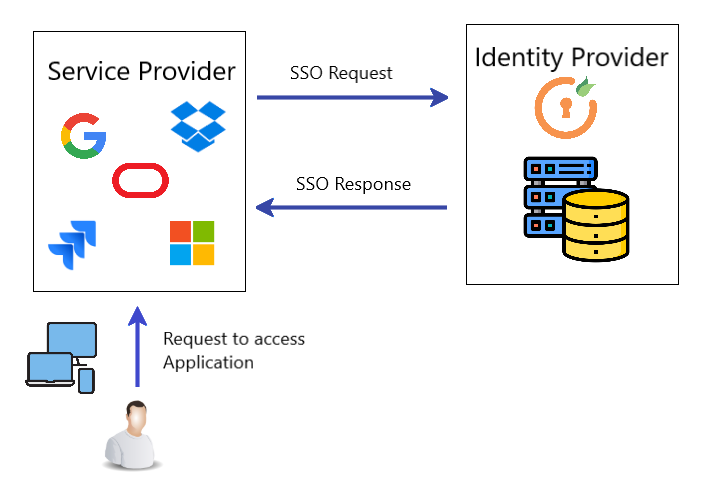
- Firstly the user tries to get access to their desired application/website (for eg: Google Workspace, Office 365, Dropbox, etc). These apps/websites are from the Service Provider.
- The application/website (Service Provider) redirects the SSO request to Identity Provider for authentication.
- The user tries to sign in with his Identity Provider credentials.
- Once IDP authentication gets successful, Identity Provider (IDP) sends back the Single Sign-On response to the Service Provider.
- Getting On the SSO Response, the user is granted the access to log in and access the resource or application.
- Here the user can access all the other apps/websites from the Service Provider which are pre-configured for SSO (Single Sign-On).
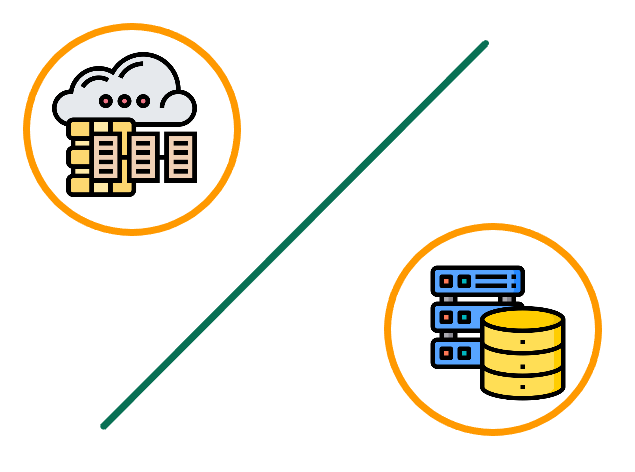
Host SSO solution on platform of your choice
Cloud of your choice
Have plans around aggressive expansion on a Global Basis? Cloud based Single Sign-On service integrates with SAML, OpenID Connect, RADIUS and LDAP and connects to third-party SSO applications. With Cloud SSO being enabled capital expenses get reduced, data can be synced up regularly, and organizations only have to pay for the resources they use.
Controlled access On-premise hosting
Looking to deploy resources in-house / within your self-owned IT infrastructure? Did your Organization have extra privacy concerns related to security? Ready to take responsibility for maintaining and managing technical stuff? Then you can go with On-premise Hosting for your SSO requirement.
Source: https://www.miniorange.com/products/single-sign-on-sso
0 Response to "Lucidchart Error Unauthorized Check Your Credentials and Their Permissions Then Try Again"
Post a Comment